Creating a cozy and productive home office space is essential for anyone working from home or needing a dedicated area for personal projects. A well-designed office can enhance focus, reduce stress, and improve overall work quality. Whether you have a small corner or a whole room to dedicate, these tips will help you create a space that feels comfortable and inspires productivity.
Choose the Right Location
The first step in setting up your home office is picking the right spot. Ideally, choose a quiet area away from daily distractions like the living room or kitchen. Natural light is a major plus, so pick a space near a window if possible. Good lighting not only reduces eye strain but also helps maintain energy levels throughout the day.
If you don’t have a dedicated room, consider creative options like a nook or even a well-organized desk in the bedroom or dining area. The key is consistency—use this space only for work to build a mental association with productivity.
Invest in Comfortable and Functional Furniture
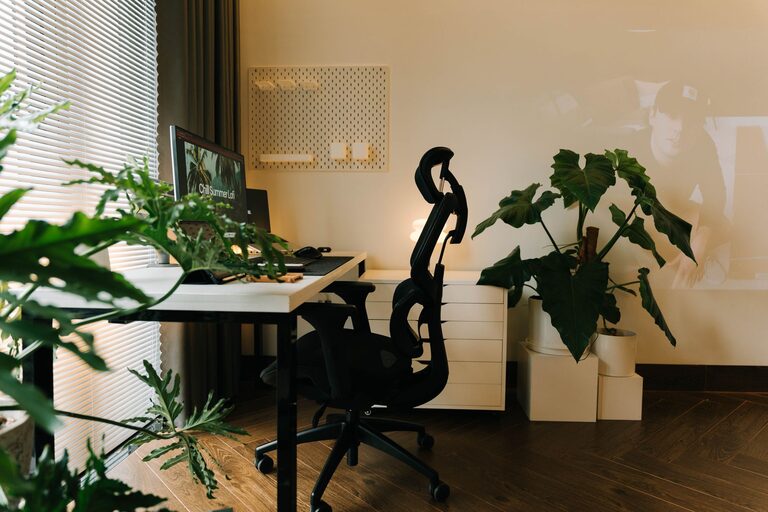
Comfort matters when you spend hours working at a desk. Invest in an ergonomic chair that supports your back and encourages good posture. Adjustable chairs are great because you can tailor the height and armrests to your body.
Your desk should be spacious enough to hold your computer, supplies, and some personal touches without feeling cluttered. Standing desks or adjustable desks offer flexibility to switch between sitting and standing, which can be beneficial for your health.
Optimize Your Lighting
Lighting has a big impact on both comfort and focus. Besides natural light, add layers of lighting to your workspace. A good overhead light ensures the room is well-lit, but task lighting, like a desk lamp, can provide focused light for reading and writing.
Use daylight bulbs or bulbs that mimic natural light to keep your energy and mood high. Avoid harsh fluorescent lights, which can cause headaches and fatigue.
Organize Your Space for Efficiency
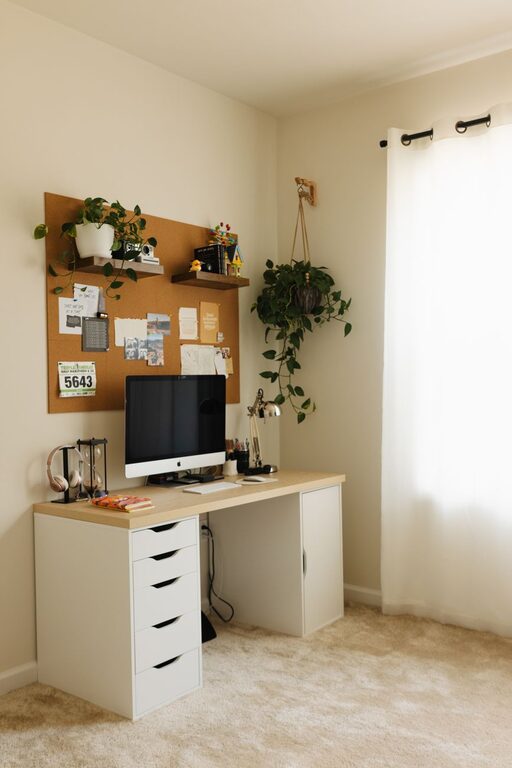
A cluttered desk can make focusing difficult. Use organizers, shelves, and storage bins to keep your workspace neat. File folders or trays help manage papers, while drawer organizers can keep smaller items like pens and chargers in order.
Make sure your most-used items are within easy reach to avoid unnecessary distractions. Digital organization is vital too—regularly clean up your desktop and folders to keep your computer running smoothly.
Personalize Your Workspace
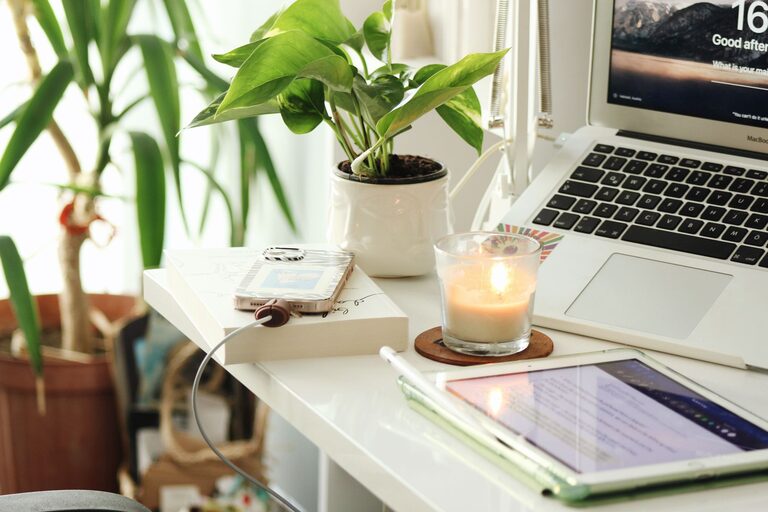
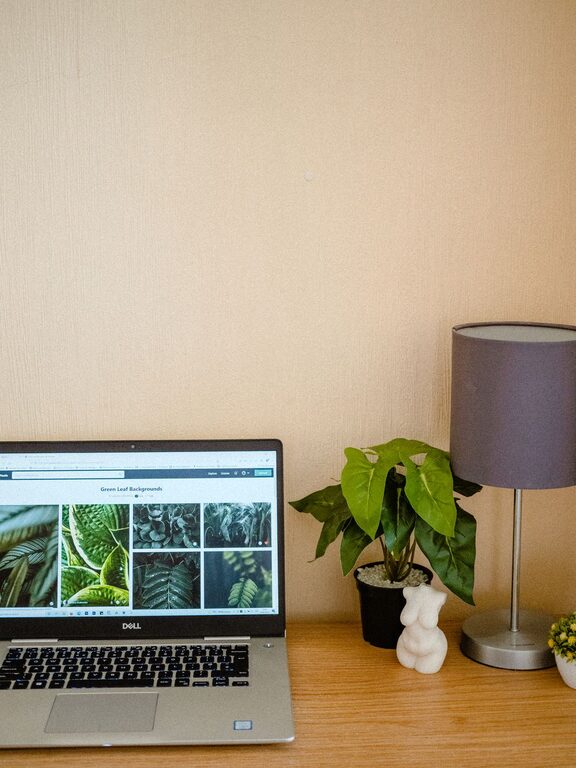
To make your home office feel inviting, add personal touches that reflect your style and inspire you. Plants are a wonderful addition; they improve air quality and add a refreshing touch of nature. Artwork, photos, or motivational quotes can boost your mood and make the space uniquely yours.
Choose colors that soothe and energize you. Soft neutrals promote calmness, while brighter accents can boost creativity. Avoid overly busy patterns that might cause distraction.
Minimize Noise and Distractions
If noise is an issue, consider using noise-canceling headphones or a white noise machine to create a peaceful environment. Setting clear boundaries with family members or roommates about your work hours helps reduce interruptions.
Designate certain times as “do not disturb” to protect your focus. If possible, close the door to your office to create a physical barrier from household noise.
Keep Technology Updated and Efficient
A reliable computer, fast internet, and the right accessories can make work easier and less frustrating. Invest in quality peripherals like a comfortable keyboard and mouse.
Cable management tools help reduce clutter and prevent tangling wires. Regularly update your software and perform maintenance to avoid unexpected downtime.
Take Breaks and Add Comfort Features
A cozy space encourages regular breaks, which are critical for maintaining productivity and health. Keep a water bottle nearby to stay hydrated, and consider a small cushion or footrest for extra comfort.
Incorporate mindful items like an essential oil diffuser or a soft throw blanket for moments when you need a quick rest. Having these comfort features nearby can make your workday more enjoyable.
Maintain a Routine
Finally, setting a daily routine helps your brain distinguish work time from personal time. Start and end your day with clear rituals, like organizing your desk in the morning and shutting down your computer in the evening.
Regularly reassess your workspace and habits to improve your environment and productivity over time.
—
Creating a cozy and productive home office space doesn’t require a large budget or complex designs. With thoughtful planning, the right furniture, proper lighting, and a personal touch, you can cultivate an environment that supports your work and well-being. Start small, tailor your space to your needs, and enjoy the many benefits of working comfortably from home.
About the Author