
Creating a relaxing home office environment is essential for productivity, comfort, and overall well-being. Whether you work from home full-time or occasionally need a quiet space to focus, designing your workspace thoughtfully can make a big difference. In this post, we’ll walk through practical steps to create a calming, organized, and inviting home office environment that supports your daily tasks and helps reduce stress.
Why a Relaxing Home Office Matters
Your work environment directly affects your mood, energy levels, and productivity. A cluttered, noisy, or uncomfortable space can cause distractions, anxiety, and fatigue. Conversely, a well-designed office that feels peaceful and pleasant can help you stay focused, motivated, and even boost creativity. With more people working remotely than ever, setting up a relaxing home office is no longer a luxury—it’s a necessity.
Choose the Right Location
Find a Quiet Spot
Start by selecting a location in your home that is as quiet and free from distractions as possible. Avoid busy areas like the kitchen or living room if those spaces tend to be noisy.
Consider Natural Light
Natural light has a positive impact on mood and energy. Set up your desk near a window if possible. If natural light is limited, choose soft, warm artificial lighting to reduce eye strain.
Invest in Comfortable Furniture
Ergonomic Chair
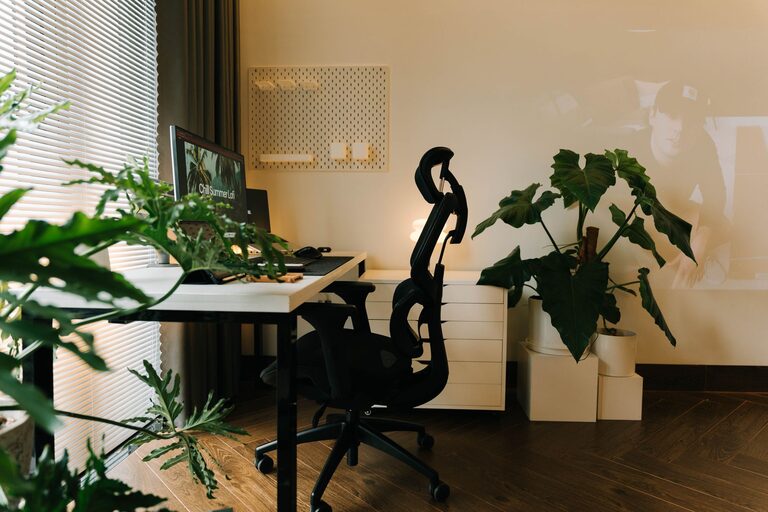
A supportive chair with adjustable height and lumbar support will improve posture and reduce back pain. Comfort is key to staying productive for long hours.
Spacious Desk
Choose a desk that gives you enough room for your computer, notebooks, and any tools you need without feeling cramped.
Keep Your Space Organized
Declutter Regularly
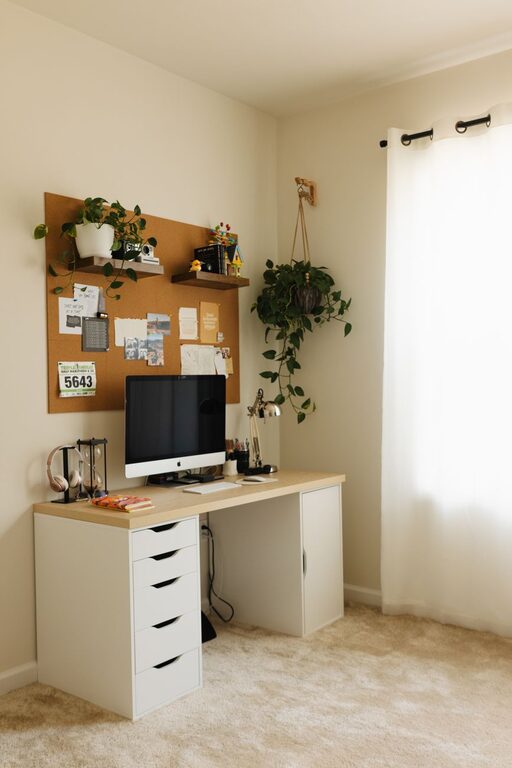
An organized desk reduces distractions and helps you find what you need quickly. Use storage containers, drawers, or shelves to keep supplies tidy.
Minimalist Setup
Try to keep only essential items on your desk. A clean workspace promotes calmness and focus.
Personalize for Comfort and Inspiration
Add Plants
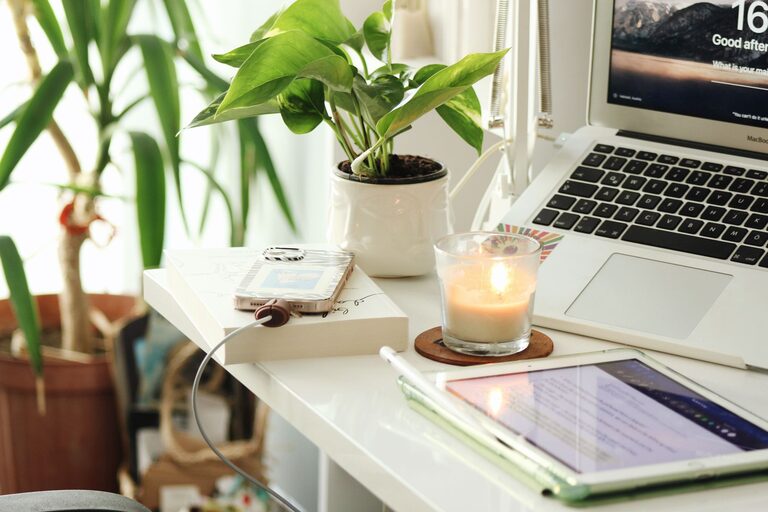
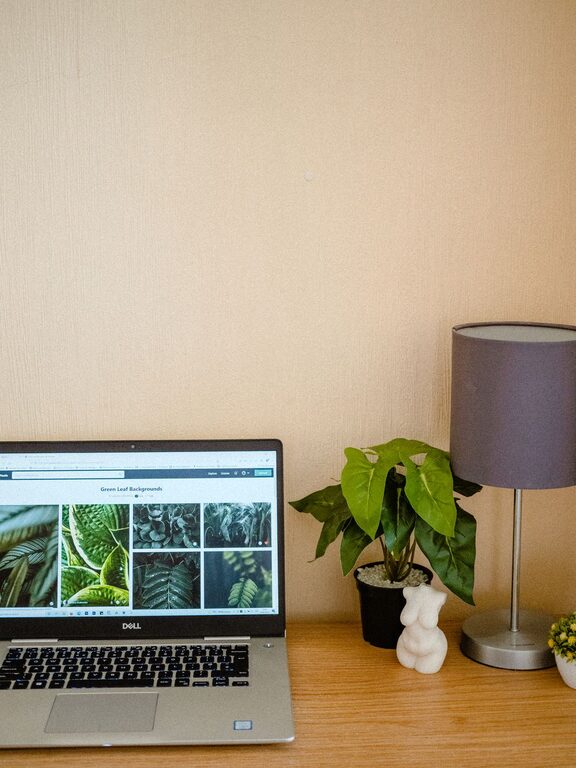
Indoor plants can purify the air and bring a touch of nature indoors, creating a soothing atmosphere.
Use Art and Photos
Hang calming artwork or put up photos that make you happy. These personal touches invite positive energy to your workspace.
Comfortable Accessories
Consider items like a cozy throw blanket or soft rug to make the office feel inviting.
Manage Noise and Distractions
Noise-Canceling Headphones
If your home is noisy, these headphones can help you concentrate or listen to calming music or white noise.
Set Boundaries
Communicate your working hours to family members or roommates to minimize interruptions.
Optimize Lighting and Color
Use Adjustable Lighting
Desk lamps with dimmers allow you to customize lighting depending on the task or time of day.
Choose Soothing Colors
Colors like soft blues, greens, and neutrals promote relaxation. Painting a wall or adding decor in these shades can create a calm environment.
Incorporate Movement and Breaks
Stretching Area
Keep space for simple stretches or exercises. Movement reduces tension and keeps energy levels high.
Scheduled Breaks
Take short, regular breaks away from your desk to avoid burnout and refresh your mind.
Technology Tips
Cable Management
Use cable organizers to avoid messy cords cluttering your desk.
Screen Positioning
Position your monitor at eye level to reduce strain on your neck and eyes.
Regular Breaks from Screens
Follow the 20-20-20 rule: every 20 minutes, look at something 20 feet away for at least 20 seconds to reduce eye strain.
Maintain Good Air Quality
Ventilation
Open windows when possible to allow fresh air circulation.
Air Purifiers
Consider an air purifier to reduce dust and allergens if needed.
Final Thoughts
Creating a relaxing home office takes thought and care, but it’s well worth the effort. By choosing the right location, investing in ergonomic furniture, keeping everything organized, and adding personal touches, you can build an inspiring workspace that helps you stay focused and stress-free. Remember, your home office should be a place you enjoy spending time in, so tailor it to your needs and preferences.
With these tips, you’re on your way to a comfortable and productive home office setup that supports both your work and well-being. Happy decorating!
About the Author