Creating a productive home office space is essential for anyone working from home. A well-designed workspace can improve focus, reduce stress, and help maintain a healthy work-life balance. Whether you have a dedicated room or a small corner of your home, these tips will help you create an environment that supports productivity and comfort.
Choose the Right Location
Finding the perfect spot for your home office is the first step in creating a productive workspace.
– Quiet Area: Select a part of your home with minimal noise and distractions. This could be a spare room, a quiet corner, or an unused dining area.
– Natural Light: Try to position your desk near a window. Natural light can improve mood and reduce eye strain.
– Comfortable Temperature: Make sure the space is well-ventilated and at a comfortable temperature throughout the day.
Invest in Ergonomic Furniture
Your comfort directly influences your productivity, so choose furniture that supports good posture and reduces fatigue.
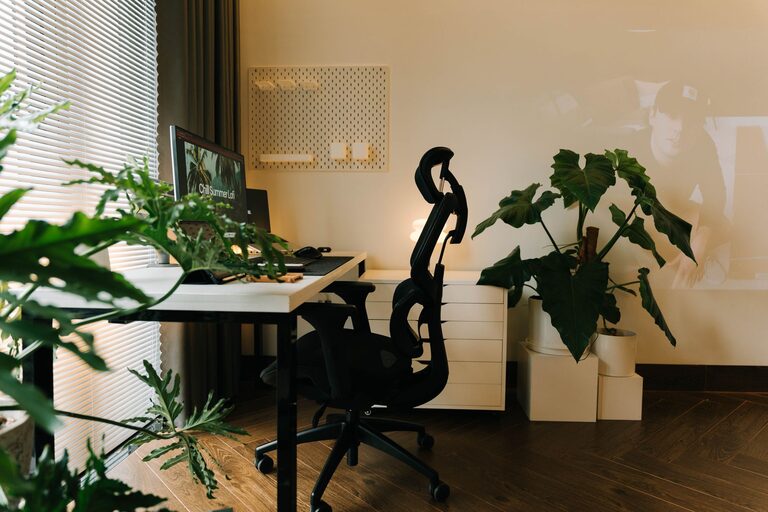
– Ergonomic Chair: A chair with adjustable height, lumbar support, and cushioning helps prevent back pain and discomfort.
– Desk Height: Your desk should allow your elbows to rest at a 90-degree angle when typing. Adjustable desks can be a great option.
– Monitor Placement: Position your monitor at eye level to avoid neck strain. Use a monitor stand or stack books if necessary.
Organize for Efficiency
An organized workspace keeps distractions at bay and makes it easier to find what you need quickly.
– Declutter Regularly: Remove unnecessary items from your desk and keep only essential tools within reach.
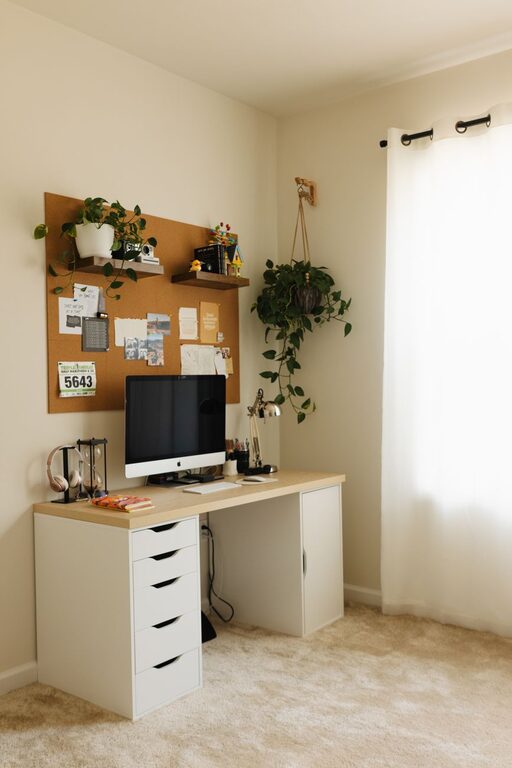
– Storage Solutions: Use shelves, drawers, and organizers to keep papers, supplies, and electronics neatly stored.
– Cable Management: Use clips, ties, or cable boxes to manage cords and keep them out of sight.
Personalize Your Space
Adding personal touches can make your home office inviting and enjoyable without creating distractions.
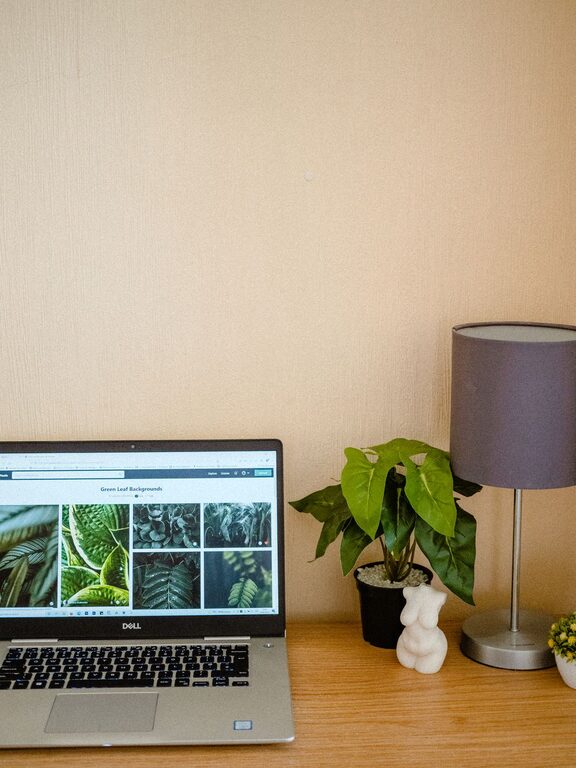
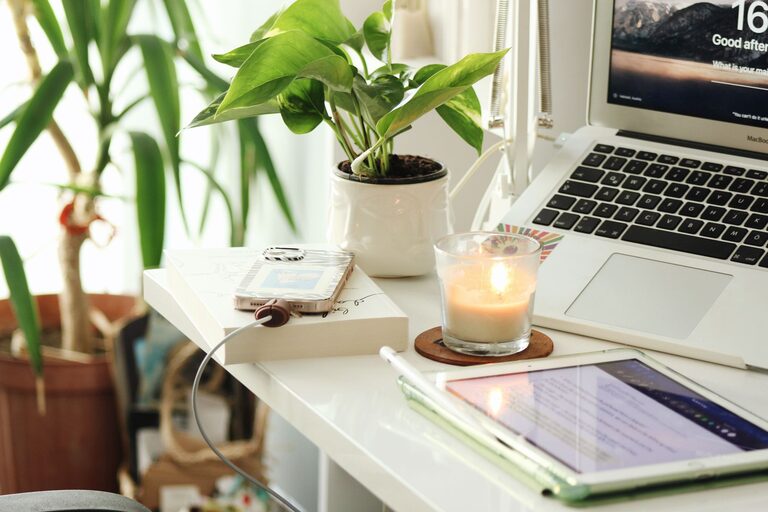
– Plants: Adding greenery can improve air quality and add a calming influence to your space.
– Artwork: Select artwork or photos that inspire and motivate you.
– Comfort Items: A cozy rug or a small lamp can add warmth and personality.
Establish Boundaries and Routine
Creating a productive home office isn’t just about physical space—it’s also about mindset and habits.
– Set Work Hours: Define your start and finish times to create structure.
– Use a Door or Divider: If possible, close a door or use a room divider to signal when you are working and minimize interruptions.
– Take Breaks: Schedule regular breaks to stretch, move, and rest your eyes to maintain focus.
Optimize Technology
Having the right technology set up helps keep your workflow smooth and frustration-free.
– Reliable Internet: Ensure a strong Wi-Fi connection or use a wired ethernet connection for stability.
– Required Hardware: Use a good-quality keyboard, mouse, and headset for comfort and clarity during calls.
– Backup Solutions: Keep important files backed up to the cloud or an external drive to prevent data loss.
Maintain Cleanliness
A clean workspace contributes to a clear mind.
– Daily Tidy-up: Spend a few minutes at the end of each day to put things away and wipe down surfaces.
– Air Quality: Regularly air out your space and consider an air purifier if needed.
Additional Tips
– Use Task Lists: Keep a to-do list or planner at your desk to track priorities.
– Noise Control: Use noise-cancelling headphones or a white noise machine if you are in a noisy environment.
– Lighting: Use adjustable desk lamps to supplement lighting and reduce eye strain during evening hours.
—
By thoughtfully designing your home office with these tips, you can create a space that supports your productivity and well-being. Remember, the best home office reflects your personal work style and promotes a comfortable, focused, and enjoyable work experience.
About the Author