Creating a cozy and inviting home workspace is essential for maintaining focus, motivation, and overall well-being while working from home. Whether you have a dedicated room or a small corner in your living area, thoughtful design and organization can make all the difference. Here are some practical tips to help you build a workspace that feels both comfortable and inspiring.
Choose the Right Location
Find Natural Light
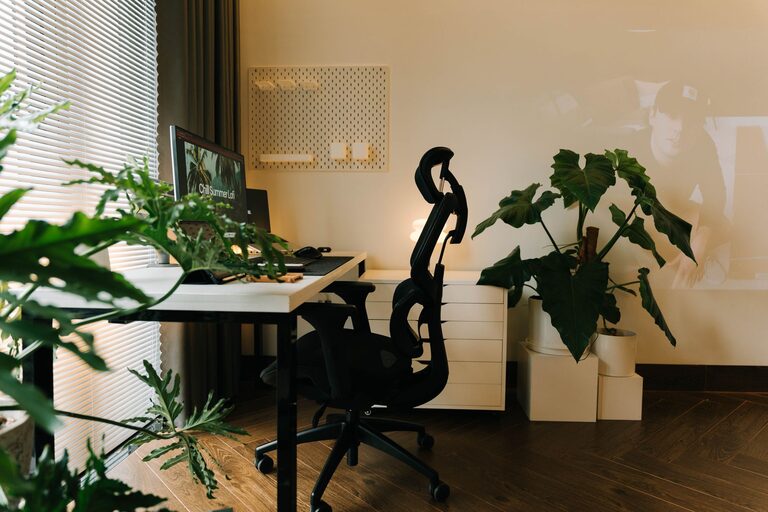
One of the easiest ways to make your workspace inviting is by setting it near a source of natural light. Sunlight can boost mood, reduce eye strain, and enhance energy levels. If possible, position your desk near a window to enjoy the benefits of daylight.
Consider Quiet Areas
Select a spot that minimizes distractions and noise. A quieter location helps maintain focus and creates a peaceful environment. If choosing a busy area isn’t avoidable, consider noise-canceling headphones or soundproofing options.
Invest in Comfortable Furniture
Ergonomic Chair
A good chair is key to comfort, especially during long work sessions. Look for a chair that supports your back, promotes good posture, and has adjustable height and armrests.
Functional Desk
Your desk should fit your available space and accommodate your work essentials without clutter. A desk with drawers or shelves can help keep your workspace organized.
Add Personal Touches
Decorative Elements
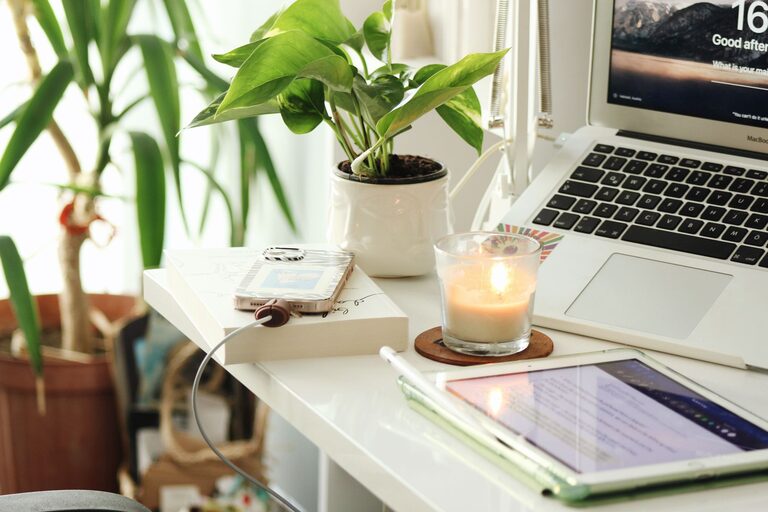
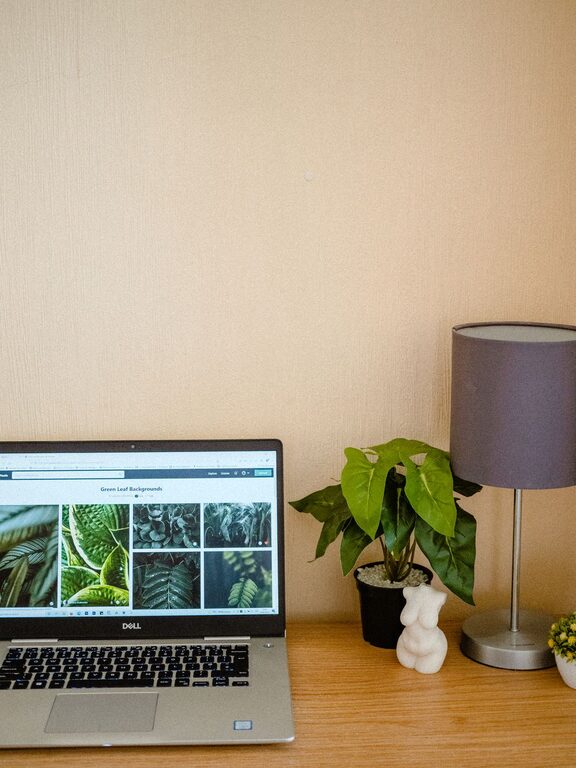
Incorporate items that inspire and relax you, such as plants, artwork, or a favorite decorative object. These touches can create a welcoming atmosphere and boost creativity.
Soft Textiles
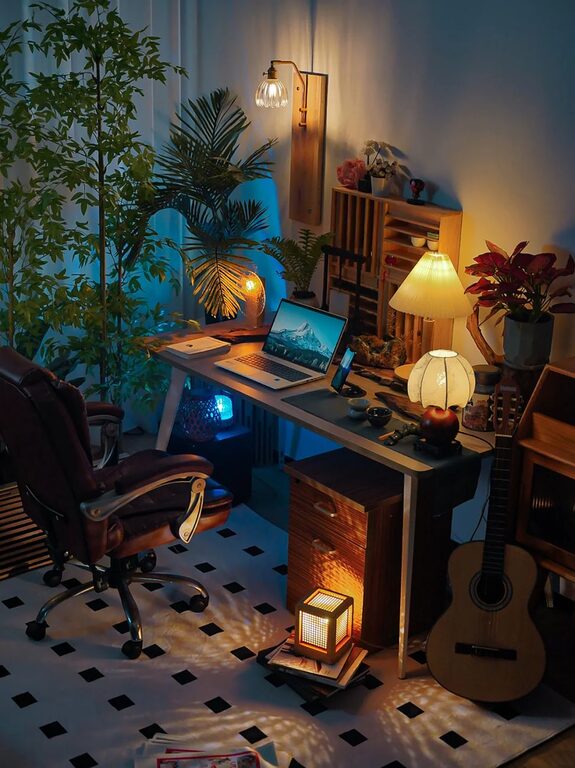
Adding a cozy rug or throw blanket can soften the space and make it feel more homelike. These textiles also bring warmth and texture, making your workspace more inviting.
Organize Your Space
Declutter Regularly
A clutter-free desk reduces stress and distractions. Keep only necessary items on your surface and store the rest in drawers or organizers.
Use Storage Solutions
Bins, trays, and shelves can help keep papers, office supplies, and gadgets tidy. Labeling storage containers can also save time when looking for items.
Optimize Lighting
Layer Your Lighting
Use a combination of ambient, task, and accent lighting. Overhead lights provide general illumination, while desk lamps focus on your work area. Soft accent lights can add warmth and depth to the space.
Avoid Harsh Lighting
Steer clear of overly bright or flickering lights, as they may cause headaches or fatigue. Adjustable lighting options can help you control brightness throughout the day.
Incorporate Technology Thoughtfully
Manage Cables
Keep cords and cables neat with clips, sleeves, or under-desk organizers. A tidy cable setup improves safety and aesthetics.
Choose Quiet Equipment
If noise is a concern, opt for quieter devices such as silent keyboards or printers. This can contribute to a tranquil work environment.
Encourage Movement and Breaks
Standing Desk Options
Consider a sit-stand desk or a converter to alternate between sitting and standing. Changing positions can reduce discomfort and increase alertness.
Create a Stretch Zone
Designate a small area for stretching or light exercises. Taking short breaks to move helps reduce tension and refresh your mind.
Maintain Good Air Quality
Ventilation
Ensure your workspace has proper ventilation to keep air fresh. Opening windows occasionally or using air purifiers can improve air quality.
Indoor Plants
Plants not only add beauty but also can improve air quality by filtering out toxins. They also have a calming effect, which enhances comfort.
—
By combining these tips, you can create a home workspace that feels cozy, inviting, and tailored to your needs. A well-designed workspace supports productivity and makes working from home a more enjoyable experience. Start small, experiment, and adjust your environment until it feels just right for you.
About the Author