Creating a cozy and functional home office space is essential for anyone working from home or managing tasks remotely. The right environment can boost your productivity, reduce stress, and make your workday more enjoyable. Whether you have a dedicated room or just a small corner, thoughtful design can transform your workspace into a place where you feel inspired and comfortable. Here are practical tips to help you create a home office that meets both your comfort and functionality needs.
1. Choose the Right Location
Finding the right spot in your home is the first step. Consider these factors:
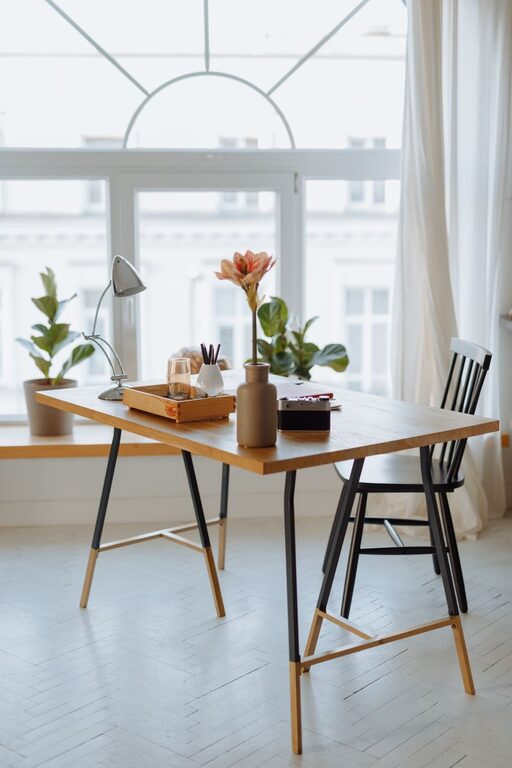
– Natural Light: Select a space near a window to take advantage of daylight, which can improve mood and focus.
– Quiet Environment: Choose a quieter area, away from household noise and distractions.
– Space Availability: Ensure your chosen spot has enough room for your desk, chair, and any equipment you need.
If you don’t have a dedicated room, a corner in your living room or bedroom can work well with the right setup.
2. Invest in Comfortable and Supportive Furniture
Comfort is key for long hours spent at your desk. Focus on:
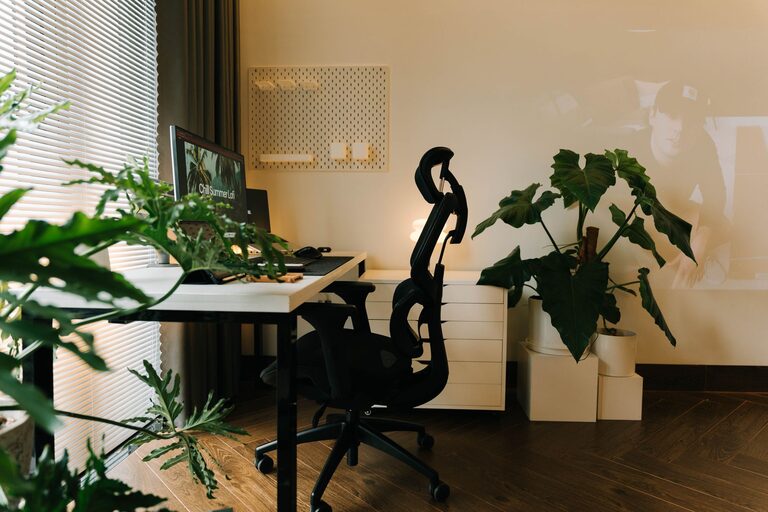
– Ergonomic Chair: Look for chairs with good lumbar support, adjustable height, and padded seating.
– Appropriate Desk: Pick a desk that fits your needs and available space. Adjustable standing desks are a great option for flexibility.
– Footrest and Accessories: Consider a footrest to improve posture, and accessories like monitor stands to keep screens at eye level.
Comfortable furniture helps prevent fatigue and physical strain.
3. Optimize Lighting
Good lighting can make work easier and reduce eye strain:
– Layered Lighting: Combine ambient lighting with task lighting. A desk lamp with adjustable brightness helps focus on specific tasks.
– Avoid Glare: Position your computer and desk to avoid glare from windows or overhead lights.
– Warm vs. Cool Light: Use warmer light tones for a cozy feel, and brighter, cooler lights for energizing tasks.
4. Keep Your Space Organized
A clutter-free workspace supports clearer thinking and efficiency:
– Storage Solutions: Use shelves, filing cabinets, or drawers to keep documents and supplies tidy.
– Desk Organizers: Invest in pen holders, trays, or drawer dividers to keep small items in order.
– Cable Management: Use clips or sleeves to manage cords and keep them out of the way.
Regularly declutter and clean your workspace to maintain order.
5. Personalize Your Workspace
Adding personal touches makes your office inviting and inspiring:
– Decor: Hang artwork or photos that bring you joy.
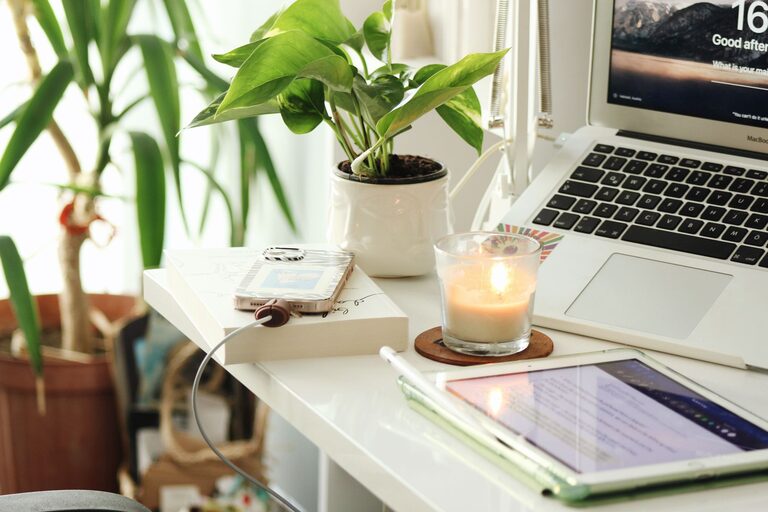
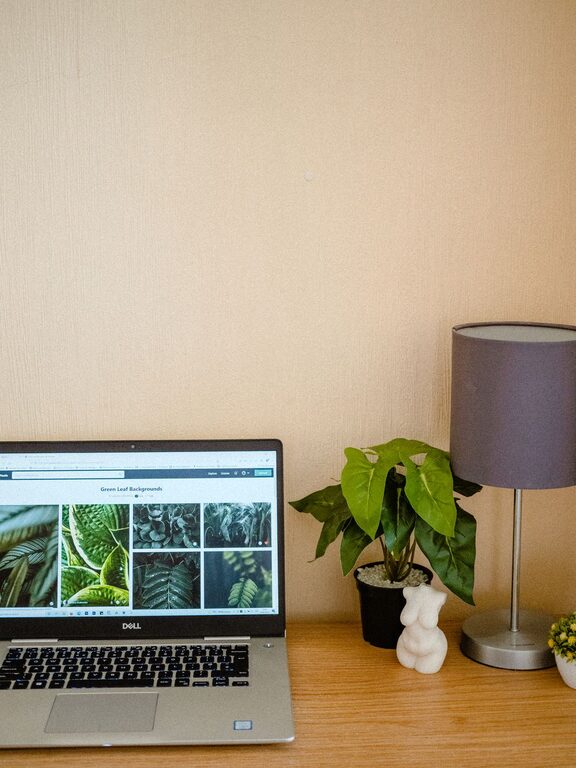
– Plants: Incorporate greenery to add color and improve air quality – low-maintenance plants like succulents or pothos work well.
– Textiles: Use cozy rugs, cushions, or curtains to enhance comfort and style.
Balance personalization with professionalism, especially if you attend video calls regularly.
6. Create Zones for Different Tasks
If space allows, organize your office to include areas for varied activities:
– Work Zone: Your main desk area with computer and supplies.
– Reference Zone: Bookshelves or filing systems with resources and documents.
– Relaxation or Brainstorming Zone: A comfy chair or small sofa for reading or taking breaks.
This approach helps separate different types of work and keeps the space dynamic.
7. Consider Technology Needs
A functional office depends on reliable technology:
– High-Speed Internet: Ensure your Wi-Fi is fast and stable.
– Equipment: Invest in necessary devices like printers, scanners, or external monitors.
– Accessories: Use headphones or speakers for calls, and backup drives to protect important files.
Keep your technology organized and within easy reach to avoid disruptions.
8. Maintain a Healthy Work-Life Balance
Even the best office setup needs rules to keep work separate from personal life:
– Set Boundaries: Define working hours and take regular breaks.
– Keep Office Area for Work Only: Avoid using your workspace for unrelated activities to boost focus.
– End-of-Day Ritual: Create a routine to “close” your office space, such as shutting your laptop and tidying up.
This helps you mentally shift between work and relaxation.
—
Final Thoughts
Building a home office that is both cozy and functional doesn’t require a large budget or space. With attention to comfort, organization, lighting, and personal touches, you can create a productive environment that feels welcoming. Remember that your needs might evolve, so stay flexible and adjust your space as you go. A thoughtfully designed home office supports not only your work but also your well-being.
About the Author