Creating a productive home office setup is essential for anyone working remotely or spending long hours at home. A well-organized space can improve focus, reduce distractions, and make working from home more enjoyable. Whether you have a dedicated room or a small corner, these tips can help you design an effective workspace tailored to your needs.
Choose the Right Location
Find a Quiet, Low-Traffic Area
Select a spot in your home that minimizes noise and interruptions. This could be a spare room, a corner of the living room, or even a section of your bedroom. Avoid places that are busy or close to high-traffic areas like the kitchen.
Make Use of Natural Light
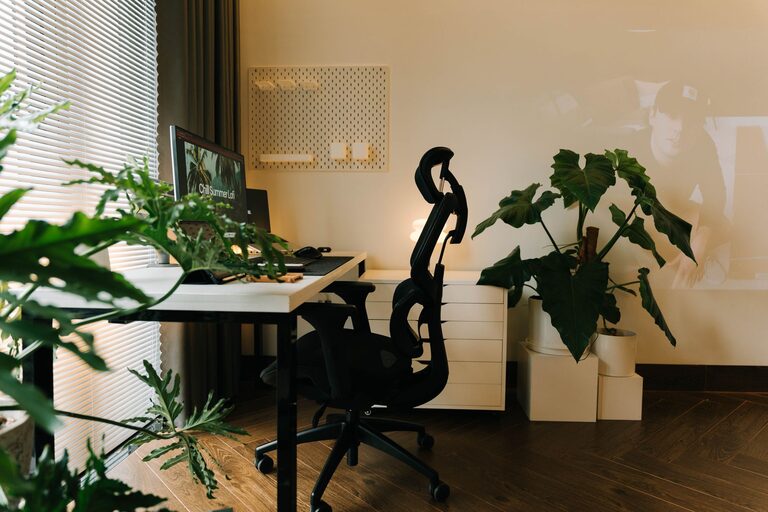
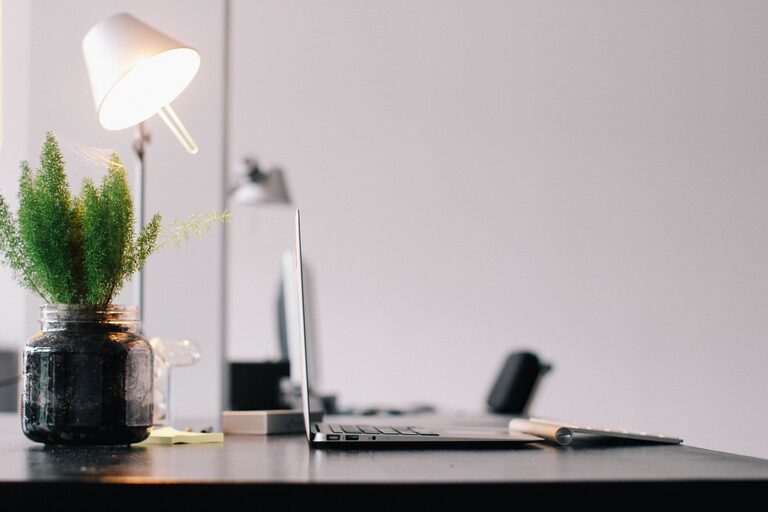
Position your desk near a window if possible. Natural light boosts mood and alertness, reducing eye strain caused by artificial lighting. If natural light is limited, invest in good quality desk lamps with adjustable brightness.
Invest in Comfortable, Ergonomic Furniture
Select an Ergonomic Chair
A supportive chair is key to maintaining good posture and preventing back pain. Look for chairs with adjustable height, lumbar support, and armrests. Sitting comfortably will help you stay focused longer.
Use a Functional Desk
Your desk should provide enough surface space for your computer, documents, and any tools you need. Consider desks with storage options like drawers or shelves to keep supplies organized.
Consider Adjustable Equipment
A height-adjustable desk allows you to alternate between sitting and standing, which can improve circulation and reduce fatigue. If a full adjustable desk isn’t feasible, ergonomic accessories like monitor stands, keyboard trays, and footrests can help.
Organize Your Workspace Efficiently
Declutter Regularly
Keep only essential items on your desk. Clutter can be distracting and make it harder to find what you need. Use organizers, trays, or baskets to store smaller items neatly.
Use Cable Management Solutions
Tidy cables reduce visual distractions and prevent accidental unplugging or damage. Cable clips, sleeves, or boxes can help keep cords organized and out of sight.
Incorporate Storage Solutions
If you work with papers, books, or equipment, efficient storage is important. Filing cabinets, shelves, or wall-mounted organizers can keep your workspace orderly and items easily accessible.
Minimize Distractions
Establish Boundaries
Communicate with family members or housemates about your work hours to reduce interruptions. Using a door or room divider can signal when you are working.
Manage Technology Wisely
Turn off notifications that are not work-related during work hours. Use focus apps or tools to block distracting websites when needed.
Personalize for Comfort and Motivation
Add Plants or Greenery
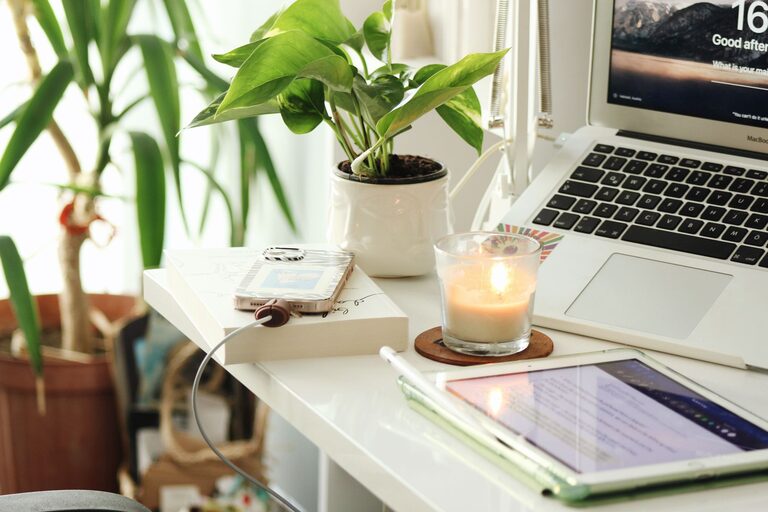
Plants improve air quality and add a refreshing touch to your workspace. Choose low-maintenance plants like succulents or spider plants.
Decorate Thoughtfully
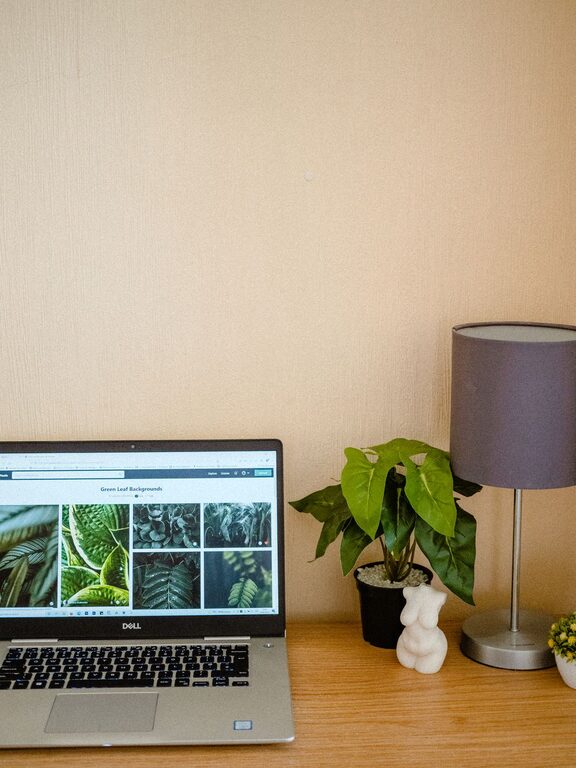
Use colors, artwork, or objects that inspire and motivate you without overwhelming the space. Personal touches can make your home office feel inviting.
Maintain Good Air Quality and Temperature
Ensure your workspace is well-ventilated and at a comfortable temperature. Air purifiers or fans can be helpful in improving overall comfort.
Optimize Technology Setup
Invest in Reliable Equipment
A dependable computer, fast internet connection, and quality peripherals like a keyboard and mouse increase productivity. Consider noise-canceling headphones if you work in a noisy environment.
Use Multiple Monitors if Possible
Using two screens can improve multitasking and reduce time spent switching between windows.
Backup Your Data Regularly
Use cloud services or external drives to save important documents, preventing data loss.
Develop Routines and Maintain Work-Life Balance
Set Working Hours
Having a clear start and end time helps establish boundaries and prevents burnout.
Take Regular Breaks
Follow the Pomodoro technique or simply stand up and stretch every hour to stay refreshed and avoid fatigue.
Separate Work and Leisure Areas
Try to keep work activities confined to your office space to mentally separate job responsibilities from relaxation time.
—
By thoughtfully setting up your home office space, you’ll create an environment that supports your best work. Combining comfort, organization, and personal touches will help you stay focused, productive, and motivated day after day.
About the Author